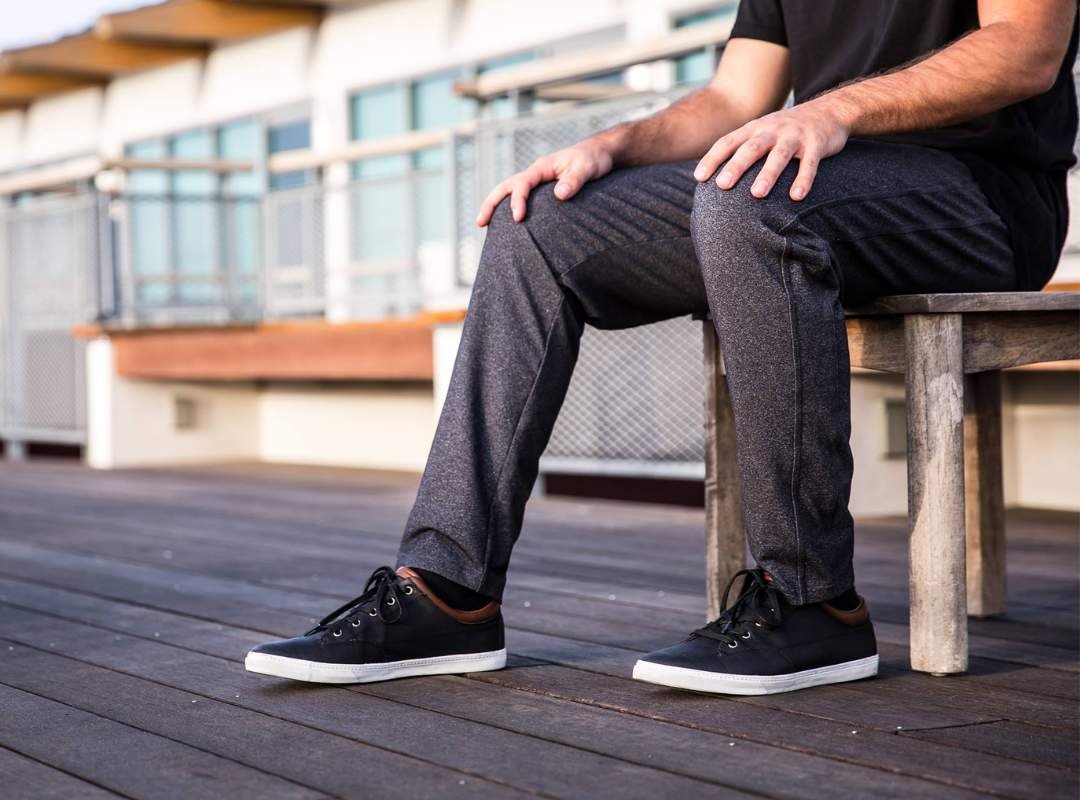

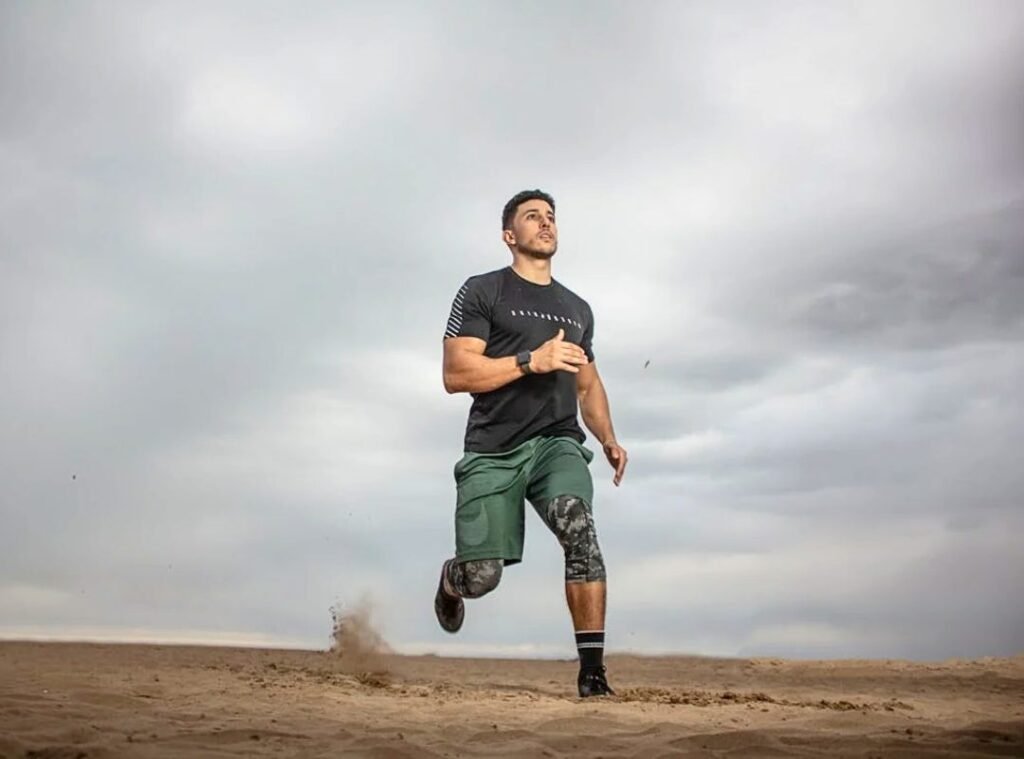

You’ve likely heard of Elastane, Spandex, and Lycra, especially if you work out, and value your daily fit.
While they might seem like different products, they’re essentially the same fiber known by various names across the globe.
Elastane is the universal name for a synthetic fiber crafted from a long-chain polyurethane. This material stretches significantly, up to five to eight times its original length, and quickly returns to its original state. Its chemical backbone comprises at least 85% polyurethane, making it a marvel in textile engineering.

In North America, the term spandex is more commonly used. It’s just a different label for the same elastic material that has become indispensable in modern apparel for its unparalleled flexibility and comfort.
On the other hand, Lycra stands out as a branded version of this fiber, owned by Invista, which was previously a part of DuPont. This name often has a reputation for quality and durability in the textile industry.
The production of elastane or spandex involves a process known as solution dry spinning. This method is favored over melt extrusion because the polymer degrades at high temperatures, necessitating a more delicate approach to preserve its unique characteristics.
See the machinery in this video during the Elastane manufacturing process.
This material’s versatility shines through in its ability to stretch extensively without losing shape. This feature has revolutionized the fashion and sportswear industries, offering an optimal blend of comfort and fit.
Whether you’re reaching for a pair of yoga pants, a snug-fitting t-shirt, or swimwear, elastane’s presence is a testament to its fundamental role in textile innovation.
Athleisure Wear Buying Guides


Despite the different terminologies—elastane in Europe and many parts of the world, spandex in North America, and Lycra as a premium branded option—the core product remains the same.
This highly elastic synthetic fiber has firmly established itself as a cornerstone of the textile industry, appreciated for its extraordinary elasticity and the ability to enhance the wearer’s experience by blending flexibility with durability.
| Term | Description | Region/Brand |
|---|---|---|
| Elastane | Generic name for the synthetic fiber made of long-chain polyurethane. | Preferred in Europe and globally |
| Spandex | The term used in North America for the same synthetic fiber. | North America |
| Lycra | A branded version of elastane/spandex, known for its quality and durability. | Brand name owned by INVISTA |
Key Characteristics:
- Chemical Composition: At least 85% polyurethane, forming long polymer chains.
- Properties: Can stretch 5-8 times their length and recover, providing high elasticity.
- Production Method: Solution dry spinning is chosen to avoid high-temperature polymer degradation.

ABOUT THE AUTHOR
Michael Brito
Michael Brito is the editor-in-chief for Athleisure Wear for Men (AW). He launched this site in 2024 as a hobby. He’s a TEDx speaker and leads global analytics for Zeno Group, an integrated communication agency. Connect with him on social media.